
Should I Buy Silver Coins, Bars, or a Silver ETF?
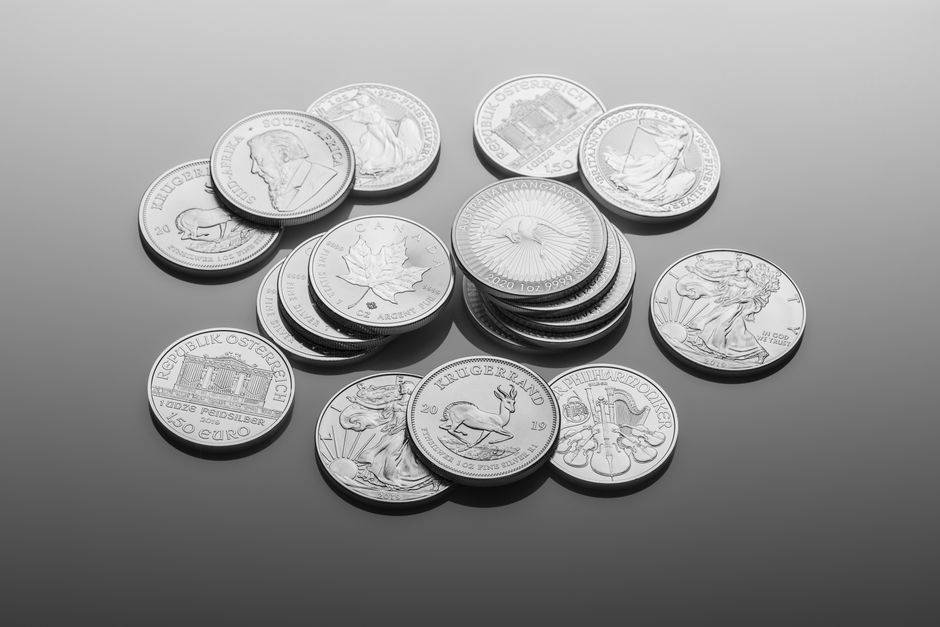
Buy physical silver when possessing identifiable metal matters more than easy trading; choose generic bars when the purchase and resale spread is the main concern; choose government-backed coins when recognition and stated weight and purity matter; and use a silver ETF when brokerage-account liquidity matters more than taking delivery. The deciding cost is the full round trip, not the spot price alone.
Is physical silver a better investment than a silver ETF?
Physical silver is better for ownership of metal; a silver ETF is better for market exposure through a brokerage account. They solve different problems.
The U.S. Commodity Futures Trading Commission and FINRA define spot as the cash price for immediate delivery, quoted in U.S. dollars per troy ounce. Physical buyers pay a dealer above that price and later sell below it. The gap is the spread.
An ETF removes the need to arrange home storage or move metal to a buyer. The iShares Silver Trust prospectus says its shares trade on NYSE Arca and seek to reflect the price of silver before trust expenses and liabilities. Its retail shares are not redeemable for silver. Ownership of shares is not ownership of coins in hand.
That difference sets the goal. An emergency reserve based on physical possession points toward bullion, subject to safe custody. A goal centered on tracking silver's market price points toward an exchange-traded product. Neither structure removes price risk. The CFTC says spot prices can be volatile.
| Choice | What the buyer owns | Primary friction | Best fit |
|---|---|---|---|
| Generic bar | Physical silver bullion | Dealer spread, storage, resale process | Physical-metal ownership with attention on total transaction cost |
| American Silver Eagle | Physical bullion coin | Dealer spread, storage, resale process | Buyers who value government-guaranteed weight and purity |
| Older circulated silver coins | Physical coins | Condition, recognition, dealer spread, storage | Buyers who want coins and accept that collectible attributes can affect liquidity |
| Silver ETF | Shares in a trust or product | Fund expenses, brokerage costs, market price versus net asset value | Brokerage-account price exposure without personal metal storage |
Why do silver coins and bars cost more than the spot price?
Coins and bars cost more than spot because the dealer's retail price includes a premium, while the dealer's repurchase price sits below spot. Spot is a benchmark for immediate physical delivery, not a promise that a retail buyer can obtain a finished coin or bar at that price.
The CFTC and FINRA put the core rule plainly: a dealer sells above spot and buys below it. A low purchase premium is incomplete information. The useful comparison is the same dealer's stated retail price and next-day buyback price for the exact coin or ingot.
Ask for the retail price, all fees and commissions, and the buyback price in writing before payment. The CFTC says buyers should compare specific coins or ingots by actual weight and price. This turns a sales pitch into a spread that can be compared.
Storage changes the math after purchase. The London Bullion Market Association says allocated metal is tied to specific bars identified by number, gross weight, and assay or fineness. It also says silver storage tends to be comparatively greater because silver has lower value per unit, and allocated owners generally arrange insurance unless their agreement provides otherwise.
Are American Silver Eagles worth their higher premium over generic bars?
American Silver Eagles are worth a higher premium only when their official specifications and broad recognition serve the buyer's goal; they are not automatically the lower-cost route to silver exposure. The premium needs to be judged against the dealer's eventual buyback offer, not against the coin's name.
According to the United States Mint, American Eagle Silver Bullion Coins have been issued since 1986 and contain at least one troy ounce, or 31.103 grams, of 99.9% silver. The U.S. government guarantees the coin's weight and purity. The Mint also says it does not sell bullion coins directly to the public, so retail pricing comes through the market and dealers.
A generic bar can offer the same broad bullion purpose without the Eagle's government coin format. An Eagle adds a known specification and features such as the variable reeded edge introduced in 2021, according to the Mint. Those facts can matter to a buyer who values a familiar, standardized coin. They do not establish that every dealer will repay every added dollar of premium.
Older or collectible coins require a separate decision. The CFTC and FINRA warn that collectible coins can be less liquid than bullion. Bullion is a metal trade. A collectible is also a judgment about demand, condition, and attribution.
Will I recover the premium when I sell physical silver?
No source supports assuming that a physical-silver buyer will recover the premium at resale. Recovery depends on the dealer's buyback quote, the item, the market at the time, and every cost paid between purchase and sale.
The CFTC says to ask what the dealer would pay to buy the metal back the next day. That question exposes the immediate spread. Its separate advisory says physical-bullion spreads can often be ten percent or more, before taxes, storage, and insurance. A price rise can narrow the loss from a spread; it does not erase the spread itself.
Taxes belong in the same ledger. The Internal Revenue Service's 2025 Schedule D instructions list metals such as silver bullion and coins among collectibles and direct long-term collectible gains to the 28% Rate Gain Worksheet. Tax outcomes depend on the holder's facts and the investment structure, so the source supports reviewing the issue with a qualified tax professional rather than assuming one after-tax result.
Fraud changes the question from return to recovery. The Federal Trade Commission flags guaranteed profits, little or no risk, pressure to act quickly, and missing written details as warning signs. It advises independent research and checking precious-metals sellers through the CFTC database. A written price and buyback quote are more useful than a promise.
Frequently Asked Questions
What are the storage and insurance costs of owning silver bullion?
The CFTC lists storage, insurance, and administrative charges as potential costs of physical-metal ownership. The LBMA says silver storage tends to cost comparatively more than storage for other precious metals because silver has lower value per unit, and it states that allocated-metal owners generally arrange their own insurance unless an agreement says otherwise. Charges vary by provider, so public data does not supply one universal cost.
Is a silver ETF easier to sell than coins or bars?
Shares of the iShares Silver Trust trade on NYSE Arca through brokerage accounts, which gives holders a market-based sale route during trading hours. Coins and bars require a dealer, buyer, or other resale channel, and the CFTC says the dealer buyback price is part of the spread. Easy trading does not guarantee a particular sale price: the trust prospectus says shares can trade above or below net asset value.
How can I avoid counterfeit silver when buying physical bullion?
The FTC recommends researching the seller and its officials, checking a precious-metals seller through the CFTC database, and independently verifying claims instead of relying on testimonials or sales pitches. The CFTC says to obtain the agreed retail price, fees, commissions, and buyback terms in writing before paying. A U.S. Mint American Silver Eagle carries a U.S. government guarantee of weight and purity, though that does not remove the need to assess the seller and total price.
Sources
- U.S. Commodity Futures Trading Commission and FINRA: 10 Things to Ask Before Buying Physical Metals
- U.S. Commodity Futures Trading Commission: Risks and Markets Advisory
- United States Mint: American Eagle Silver Bullion Coins
- iShares Silver Trust Prospectus
- Internal Revenue Service: 2025 Schedule D Instructions
- London Bullion Market Association: Precious Metal Accounts
- Federal Trade Commission: Investment Scams
Disclaimer: This article is for general information only and is not financial advice. It does not take your personal circumstances into account, and past performance does not predict future results. Speak to a licensed financial professional before making money decisions.